Learn names and expectations first
Introduce yourself and learn a few teammates’ names before the game. Ask how the group handles goalkeeper distribution, restarts, and the local rules. Familiar words can carry different meanings between teams.
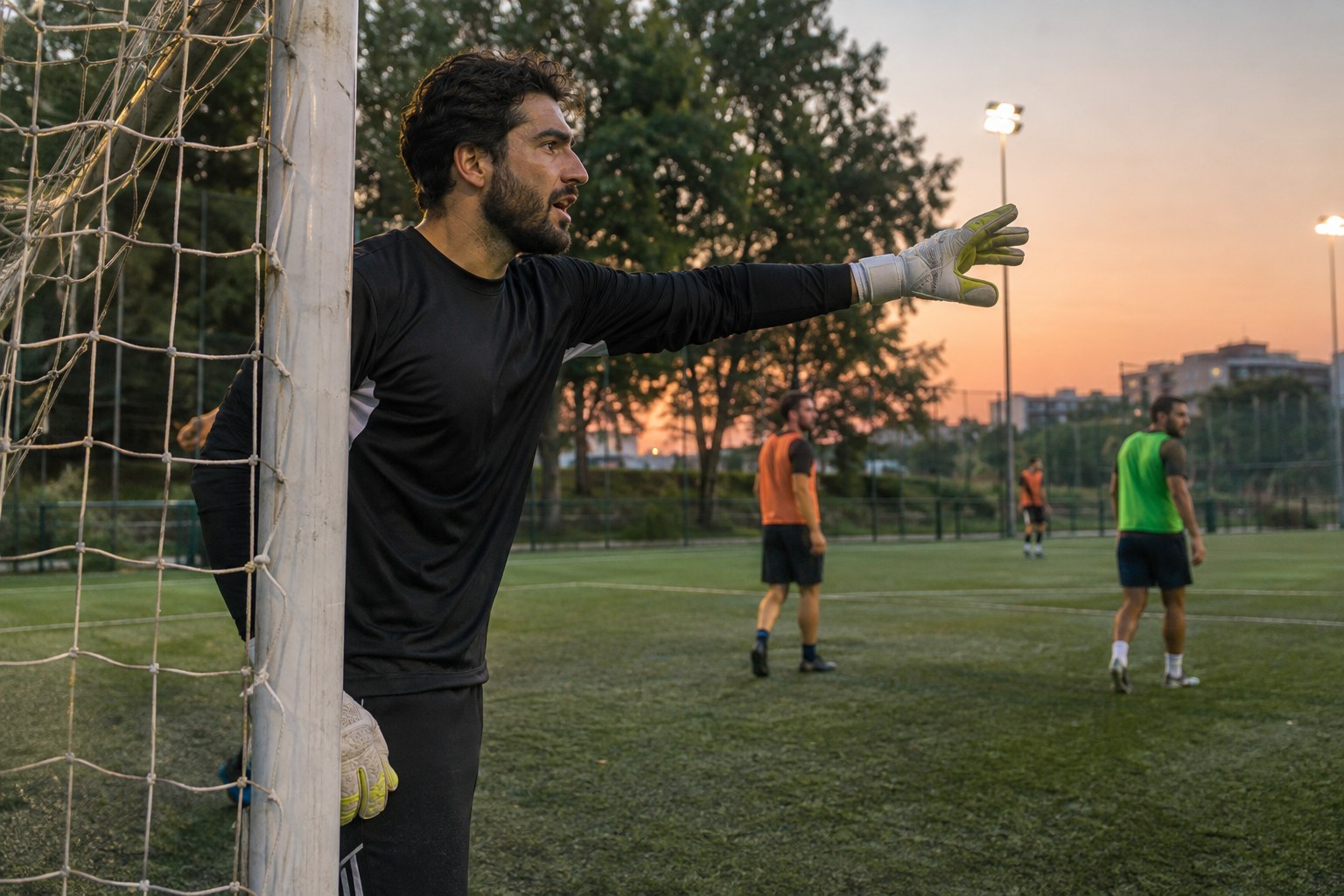
Choose a small set of clear calls the group understands. Avoid giving several competing instructions at once. The point is shared information, not demonstrating authority over players you have just met.
Offer useful information without narrating every mistake
A short warning about nearby pressure or an available option can help when it is timely and understood. Use a calm, audible voice and leave room for the player with the ball to make a decision.
After an error, focus on the next phase rather than delivering a public review. A pickup match is a poor setting for a running critique. If the same misunderstanding keeps happening, use a break to agree on what each person means.
Keep the debrief small and mutual
At halftime or afterward, ask one concrete question: Did the calls make sense? Was there a particular restart that needed clarification? Listen to the answer from the players receiving the information.
If the game’s intensity or communication style does not fit the group’s expectations, discuss it with the organizer. A good team conversation should help people play together and want to return, including the goalkeeper.
Continue with our guide to [finding a goalkeeper](https://goalie-now.com/blog/find-goalkeeper-for-soccer-game).
Your small, useful checklist
Clear goalkeeper communication is a shared habit. A few timely words and a calm conversation off the ball can do more than a full match of instructions nobody has agreed on. For another perspective on respectful recreational sport, read [England Football’s Grassroots Code](https://www.englandfootball.com/participate/behaviour/the-grassroots-code).